Beecroft Pedestrian Overpass
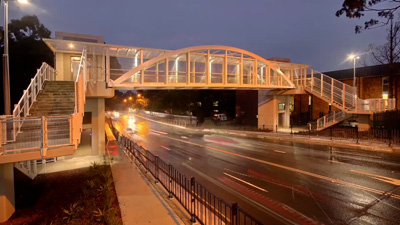
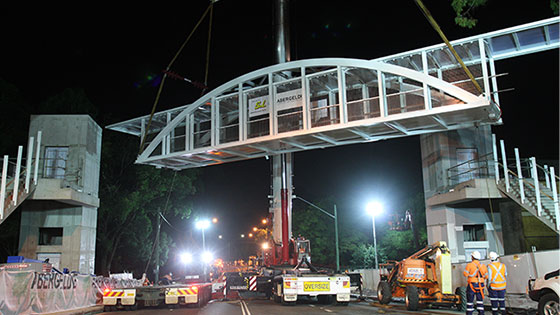
Portable time-lapse cameras, deployed alongside two existing long-term time-lapse cameras, captured the completed construction and overnight lift of the Beecroft Pedestrian Overpass.
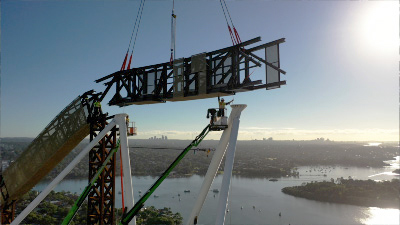 Rhodes Central Girder Lift
Graeme Beck, the cinematographer behind Electric Films, documents major infrastructure and construction works across Sydney and regional NSW. As a 14-time Australian and two-time international cinematography award winner, he combines long-term time-lapse camera systems, portable units, and drone filming to bring a highly artistic eye to complex industrial projects.
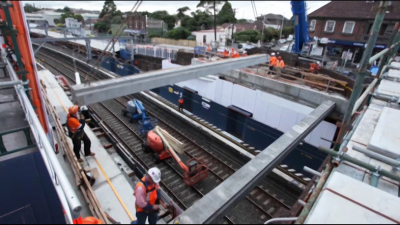
Custom-built 45MP time-lapse cameras capture structural progress over long deployments, delivering monthly videos that keep your Sydney construction teams and clients fully up to date.
Graeme Beck is a licensed drone operator and is certified in Working at Heights and Rail Industry Corridor Access.
Drone filming adds sweeping site overviews to complement the fixed time-lapse camera footage. The construction projects below highlight how strategic camera positioning effectively documents rail corridors, station upgrades, and major engineering installations across Sydney.

An 18-month deployment of two long-term time-lapse camera systems captured the complete construction of NEXTDC's data centre in Gore Hill, Sydney.
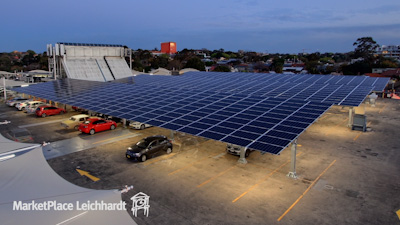
To showcase renewable infrastructure in Sydney, a single time-lapse camera recorded the construction and installation of solar panels above the Leichhardt Markets car park.
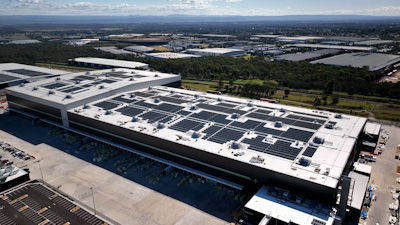
Integrating monthly drone photography with two long-term time-lapse cameras, this project documented the commercial construction of rooftop solar installations across two Sydney Coles factories.
Portable time-lapse cameras, deployed alongside two existing long-term time-lapse cameras, captured the completed construction and overnight lift of the Beecroft Pedestrian Overpass.
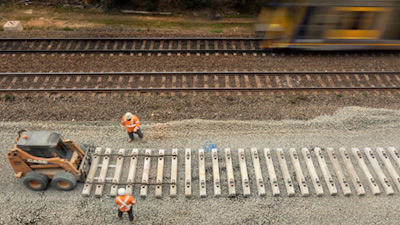
Comprehensive time-lapse camera coverage documented key construction phases along the Epping to Thornleigh Third Track railway corridor.
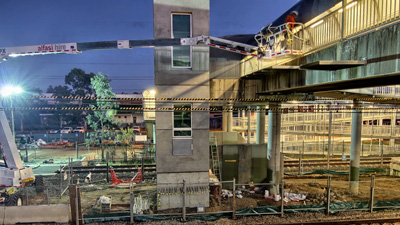
Multiple short-term time-lapse cameras captured the intensive weekend construction upgrade for the Ingleburn Railway Station on the Sydney rail network.
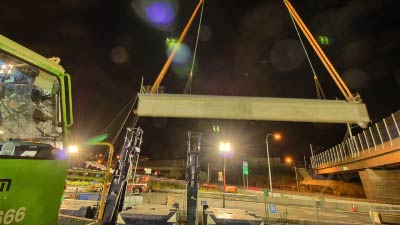
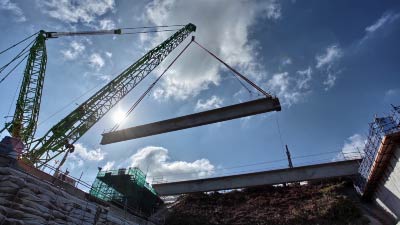
Over two days and nights, four portable time-lapse cameras recorded the construction and installation of prefabricated girders across the M2 Freeway in Sydney.
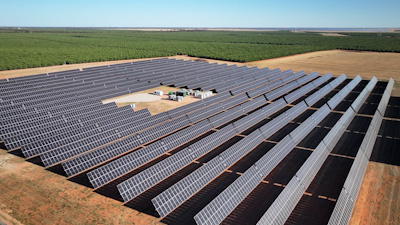
Strategic time-lapse filming documented the complete construction of the AGL solar farm in regional NSW, showcasing the sprawling renewable installation. Further video work covered the official opening and press releases.
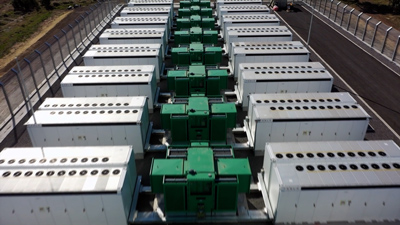
This dedicated time-lapse project film follows the rapid installation and construction of the commercial Tesla battery storage system at Wallgrove, Sydney.
Share the planned work dates and the milestones you want to show. This helps
Graeme discuss long-term and portable camera positions. See time-lapse
pricing when preparing your brief.
The monthly fee includes camera hire, daily remote monitoring, a progress video, and a site visit each month to check the equipment and clean the lens and solar panel. Regular maintenance is important on dusty construction sites. Site photographs are available anytime.
Time-lapse camera service includes daily remote monitoring and on long term cameras, monthly site visits to clean the lens and solar panel and inspect the equipment. Camera positions are reviewed as construction progresses, with relocations discussed with the site manager when a better view becomes available on the Sydney site.
Yes. Remote access can be provided so project managers can view images from their Sydney or regional construction site on a mobile device. Images are uploaded daily directly to secure Electric Films servers. Project managers should discuss their access needs when planning the camera installation. Photographs are available anytime.
The interval is tailored to the pace of the work. Long-term construction projects use ten-minute intervals. As construction nears completion, this is adjusted to five minutes to capture stunning day-to-night transitions, showcasing your finished building at its absolute best. For shorter projects lasting a day or two, intervals can be as brief as 30 seconds.
Battery-powered time-lapse cameras are utilised for interior filming, so camera positions do not have to be beside a power outlet.
For long-term projects, you will receive monthly progress videos that are a good length for team reviews and sharing. Aerial footage is always included with our drone services.
HDR stands for High Dynamic Range. At each time-lapse interval, the camera takes three exposures: one normal, one darker, and one brighter. These are combined into a single frame using intensive processing power to retain maximum detail in bright areas and deep shadows.
Yes. In addition to time-lapse, Electric Films provides a complete video production service.
Construction cameras can be mounted on rooftops, scaffolding, cranes, street poles or our custom poles. Electric Films arranges the necessary permissions with local councils, power companies and building management. Street poles provide very useful viewpoints and allow installation within a day or two; negotiations with building managers can take longer. Camera positions are carefully selected by our multi-award-winning cinematographer.
Minor camera movement is corrected by stabilising the footage in Adobe After Effects. More significant shifts require realigning the images using a corner pin filter, or physically repositioning the camera. The time-lapse filming guide explains these methods in more detail.
Where repositioning is required, changing the viewing angle by 45 degrees or framing a different subject avoids a jump cut.
Yes. A time-lapse camera stays fixed while recording each sequence, but can be repositioned as the project develops. Moving it at key stages lets us capture the best angles that are more engaging to watch.
Camera relocations allow us to track the progression of your site from the best possible angles. While a static setup works for some sites, even small projects look better with changing viewpoints, and larger developments benefit from additional positions. We recommend budgeting for at least two moves. Contact Graeme to tailor the perfect approach for your site.
On construction sites, scaffolding and cranes can provide excellent viewpoints, but they naturally move. Videos are stabilised in Adobe After Effects. See an example here.
Yes. A number of portable time-lapse cameras can record a specific operation overnight or over a weekend, often alongside long-term cameras documenting the same project. The M2 Freeway Bridge project demonstrates this approach. Project managers can share their work schedules with Graeme so coverage is planned precisely around key stages.