Drama
Fragments — Short Film
New York Film International Independent Film & Video Festival - Best Cinematography for a foreign film - 'Fragments' (Short Drama)
Selected Drama
Reflections

Slappin'
The Visitor
The Exam
Television
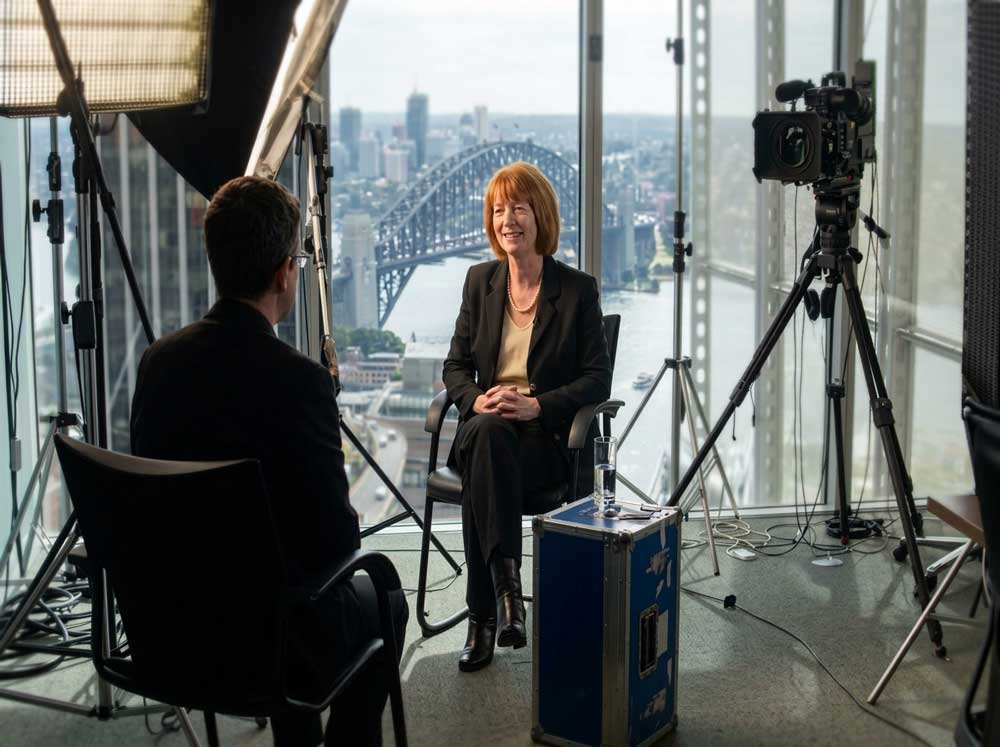 Two-camera interview with Julia Gillard
The Biggest Loser
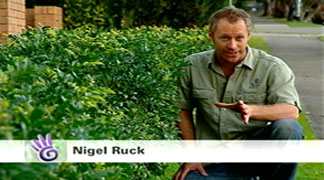
The Garden Gurus
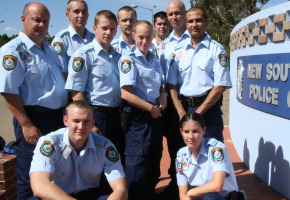
The Recruits
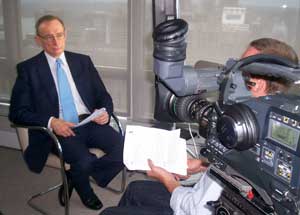
Bob Carr
60 Minutes
The Movie Show
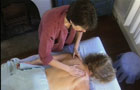
Nature of Healing Series
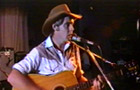
Charters Towers Country Music Festival
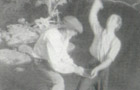
The Prospectors Documentary
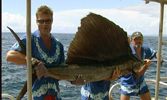
'Samoa' Documentary
Selected Television Credits
Selected credits span investigative programmes, factual entertainment, documentaries, sport and live events.
Investigative & Documentary
- 60 Minutes - Channel Nine
- A Current Affair - Channel Nine
- 'The Prospectors' - ABC TV
- Message Stick - ABC TV
- 'Kids in Charge' Series - SBC Singapore
- 'Imagine' Series - SBS
- One Sky - ABC TV
Factual & Lifestyle Entertainment
- The Biggest Loser - Channel Ten
- Beauty and the Geek - Channel Seven
- 'Garden Gurus' - Channel Nine
- 'Nature of Healing' Series - ABC TV
- 'Position Vacant' Series - SBS
- Bicycles & Bassoons - SBS
Action, Live Events & Specialty
- 'Michael Richards' (Kramer) in Oz - US Cable
- 'Rally Australia' - Channel Ten
- Redmax Motocross International
- The Vines Classic - Channel Ten
- The Recruits - Channel Ten
- The Movie Show
Documentary
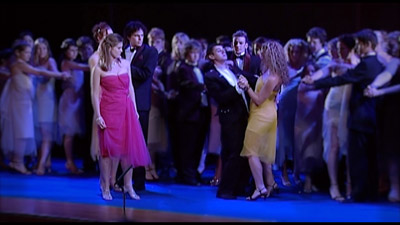
Love's Lessons Learned
A musical feature film in production by Graeme Beck and Marc Stimson.
The Prospectors Documentary
Written and directed by Graeme Beck, this definitive documentary explores the history of prospecting that opened up Australia, driving large-scale immigration and generating immense wealth from the initial gold discoveries in NSW to the massive finds in Western Australia.
The Prospectors — Part 1
The Prospectors — Part 2
Television Commercials
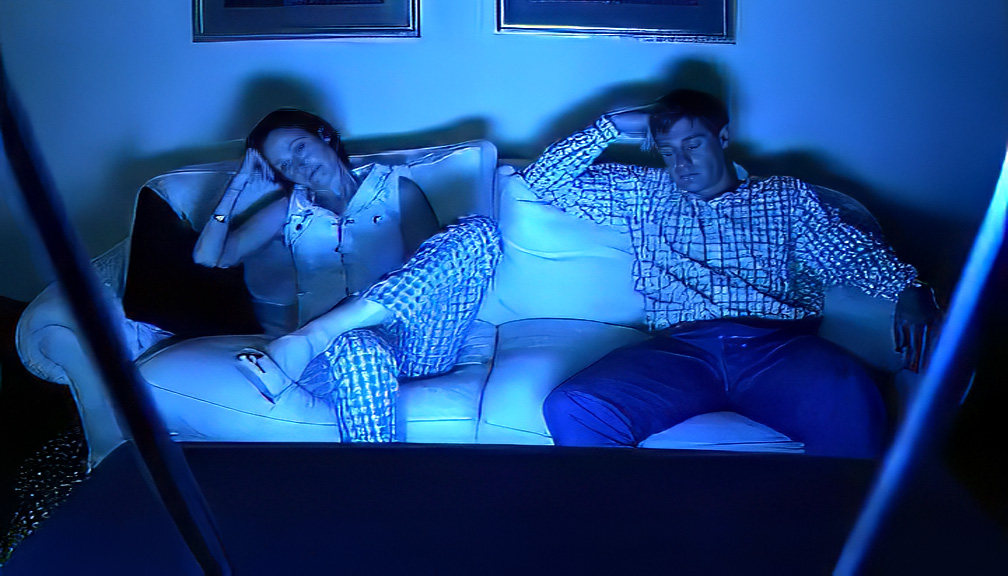
Graeme has shot hundreds of television commercials for the Perth and Darwin markets before moving back to Sydney, producing multiple award-winning campaigns recognised for their exceptional visual storytelling.
Drama & TVC Reel
Azure Perfume
Hyundai
Jag Clothing

Newspower

Rick Hart Appliances
Ron Bennett Menswear
Servis Hardware
Tony Barlow Menswear
Toyota
Tyrepower
TVC Awards
ACS Award - 'Ironstone' (TVC)
ACS Award - 'Bonaire Air-conditioning'
TVB Retail Advertising Award - Carmichael Ford (Best of All Regions - National)
TVB Retail Advertising Award - Mission Beach Resort (Best of Region)
Old Film Facts
The first feature film (a commercially made film over one hour in length) was the 1906 Australian film "The Story of the Kelly Gang".
While earlier short films lasted only a few minutes, this Australian production set the global standard for what a feature film could be. It proved audiences would sit through a multi-reel story long before Hollywood or Europe followed suit in the 1910s.
The largest number of cameras used in a single scene to date was 48 for the sea battle in Ben-Hur.
Forty-two cameras were used to shoot the chariot race, capturing 53,000 feet of film in a single day.
The most film shot for a feature film to date was for Howard Hughes' "Hell's Angels", which consumed 2,254,750 feet of film with a continuous running time of 23 days.
The greatest number of known retakes was 342 for the blind flower girl scene in Chaplin's "City Lights". (He was in love with the young actress.) The clips below show the sequence and Chaplin directing the scene.
Marilyn Monroe needed 59 takes for a scene in "Some Like It Hot" in which her only line was "Where's the bourbon?"
Billy Wilder grew frustrated as Monroe struggled with memory and stage fright, eventually resorting to writing the line on slips of paper hidden inside the prop drawers so she could read it. When the scene finally made it into the finished film, her back was turned to the camera, which led many to speculate that Wilder eventually gave up and used a dubbed voice or a different take.
The longest film in post-production was Graeme Beck's "Love's Lessons Learned", with 23 years of part-time editing.
He is in good company: Brahms took 21 years to write his first symphony.
The Australian Academy Award-winning film "Happy Feet" would have taken one person 4,000 years to make.
The shower scene in Hitchcock's Psycho involved 70 setups over seven days for 45 seconds of edited footage.
The costliest news story to date was the Centenary Air Race in Melbourne, which was transmitted to Britain over 68 hours at a cost of US$30,000 in 1934 (US$1,873,400 in 2026). It was shown in 1,500 cinemas within 48 hours.
Each frame had to be printed as a photograph, mounted on a rotating drum, and scanned line by line.
"Jurassic Park" cost $90 million to make, and $98 million was spent on publicity.
The funeral scene in "Gandhi" featured around 300,000 extras: 94,560 contracted performers and over 200,000 volunteers.
Although more than eighty years old, this film shows how little filmmaking has changed, apart from special effects.
THE 5 HABITS OF SUCCESSFUL FILMMAKERS